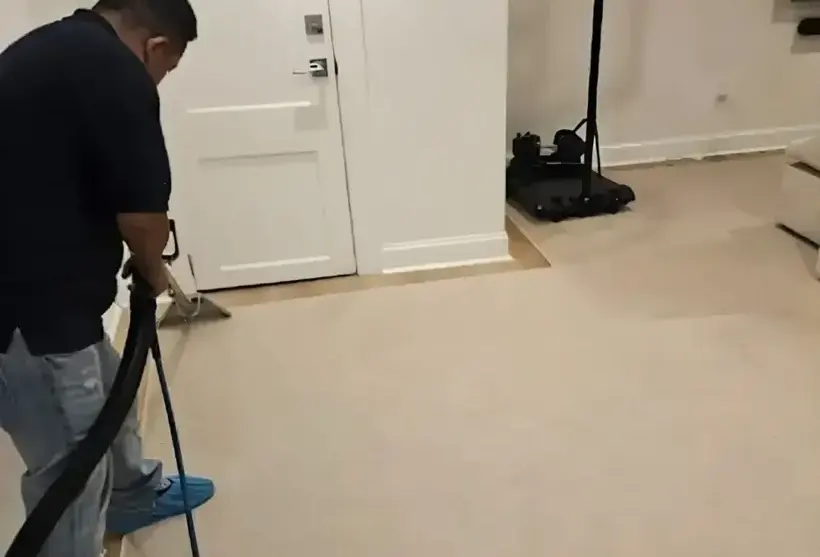
Cedarhurst's own village government says recurring flooding hits low lying parts of the village along Peninsula Boulevard between Rockaway Turnpike and Bayview Avenue. The cause is not only rain, because the tide plays a part too.
Key takeaways
- Normal storm water outfalls in Cedarhurst become blocked by the rising tide in Jamaica Bay, so rainwater collects in the streets at high tide.
- Water that collects in the street can reach buildings on the low blocks along Peninsula Boulevard.
- Fast extraction limits how far water spreads into floors, walls and stock.
- A pump station for the area was announced under construction in September 2021, but only that announcement is confirmed.
- Photograph the high water mark and the damage first, then start extraction before the next tide.
Why the low blocks flood
Cedarhurst is a small village of about 0.68 square miles, and its elevation is only about 26 feet. Motts Creek, a tributary of Jamaica Bay, sits near Rockaway Turnpike and Peninsula Boulevard.
When the tide rises in Jamaica Bay, it blocks the pipes that normally drain storm water away. Rain then has nowhere to go and collects in the street.
- A heavy rain that arrives at high tide is the worst combination.
- The low blocks along Peninsula Boulevard, from Rockaway Turnpike to Bayview Avenue, are the village's named problem area.
- First Street's flood model estimates 579 Cedarhurst properties are at risk of flooding over the next 30 years.
A flood pattern with a history
On December 9, 2014 up to three inches of rain plus an early morning high tide flooded roads across the Five Towns. Village workers pumped Parking Field No. 2 on Cedarhurst Avenue off Central Avenue and checked basins and drains.
In August 2017 the village announced a meeting with county leaders about recurrent flooding in parts of the Five Towns.
What has been planned
In March 2016 the village signed an agreement with Nassau County and New York State under the New York Rising program to design pumping stations to drain the flooding.
In September 2021 a Cedarhurst stormwater pump station with tidal check valves and an emergency generator was announced under construction to protect parts of Peninsula Boulevard, at an approximate cost of $2.15 million.
What is not confirmed
The announcement is on record, but whether the station is finished and working today is not confirmed here. A homeowner or business owner should not assume the problem is solved.
When street water gets into a building
Water from a flooded street usually enters at doors, low windows, floor drains and basement stairs. It carries street runoff, so it is not clean water.
The floor, the lower part of the walls and anything stored on the ground floor take the hit first.
- Shut off power to the flooded area if the panel is dry and reachable.
- Photograph the high water mark, the floor and any stock or furniture affected.
- Raise valuables, electronics and papers above the water.
- Keep people and pets out of standing water.
- Call a restoration team for extraction while the water is still shallow.
Why fast extraction matters
Water that sits soaks into subfloor, baseboards and the bottom of wall cavities. Every extra hour makes the dry out longer.
The next high tide can bring the water back, so timing matters. Extraction before the next tide gives the building a chance to start drying instead of getting wet again.
The page on water extraction in Cedarhurst describes how the team removes standing water and starts the dry out.
What cleanup and drying involve
Street flooding is treated as contaminated water. Materials that soaked it up and cannot be cleaned are removed, and the rest is cleaned and dried.
Older buildings add a wrinkle. Cedarhurst's median home was built in 1953, and 992 of its 2,803 housing units were built before 1940, so plaster and wood framing are common.
Homes
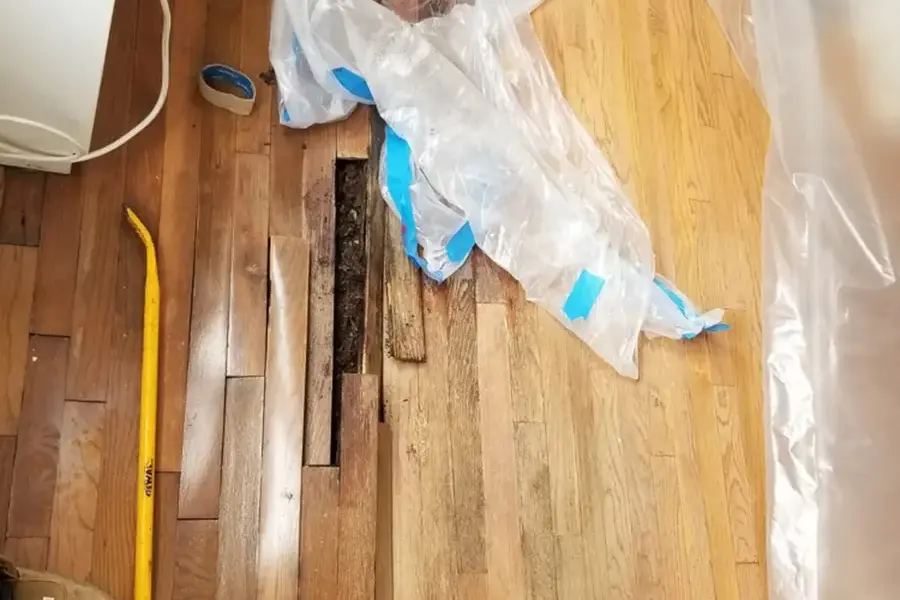
Carpet and padding usually come out, wet drywall is cut back above the high water mark and hardwood is checked with readings before anyone decides whether it can be saved.
Shops and restaurants
Central Avenue is the main business district, with shops and restaurants. A business owner needs an inventory list and photographs for the claim, and the dry out is scheduled to limit downtime.
How the ground floor is dried
After extraction, drying equipment is set up room by room. Air movers push dry air across floors and walls, and dehumidifiers pull the moisture out of the air.
Readings taken at the start give the team a baseline. The same spots are checked again until they reach the dry standard.
- Baseboards are often pulled so the bottoms of the walls can breathe.
- Wet insulation at the base of exterior walls is removed.
- Hardwood is tested with a meter before anyone decides whether it can be saved.
Preparing before the next storm
Residents on the low blocks can keep valuables off the floor, know where the main power shutoff is and keep contact details for a restoration team handy.
Where a basement has a sump pump, backup power helps keep groundwater and rain out when the tide has blocked the outfalls.
- Store papers and electronics above floor level.
- Check that floor drains and window wells are clear before a storm.
- Photograph the home in normal condition so a before and after comparison is possible.
Questions to ask before work starts
A flood is stressful, and it helps to know what a good job looks like. A few plain questions keep everyone on the same page.
- Will the water be extracted before the next tide?
- Which materials will be removed, and why?
- How will drying be measured and shared?
- Will photographs and readings be provided for the insurance claim?
Insurance and local help
Coverage for flooding depends on the policy and the cause, and the insurer decides what is covered. A clear record of photographs and drying readings makes the claim easier to document.
The Cedarhurst hub page has more about the village, and the page on storm flood cleanup in Cedarhurst covers storm and tide events. Nearby Valley Stream residents can read about water extraction in Valley Stream.
Questions
Why does Cedarhurst flood at high tide even without a lot of rain?
The village says normal storm water outfalls become blocked by the rising tide in Jamaica Bay, so rain that falls has nowhere to drain and collects in the streets.
Which blocks are the problem area?
The village names the low lying parts along Peninsula Boulevard between Rockaway Turnpike and Bayview Avenue.
Is the new pump station finished?
A Cedarhurst stormwater pump station was announced under construction in September 2021. Whether it is finished and working today is not confirmed here.
Is street floodwater safe?
No. It carries runoff and is treated as contaminated, so contact should be avoided and affected materials are cleaned or removed.
How soon should water be extracted?
As soon as it is safe. Water that sits soaks into floors and walls, and another high tide can bring more.
Can a basement flood from street water alone?
Yes. The same high water that collects in the street on the low blocks can push into basements through stairs, drains and window wells.