Water Damage Restoration Lynbrook, NY
Around-the-clock water damage restoration in Lynbrook, NY, where the median home dates to 1945. The restoration team pulls out standing water, dries basements and plaster to the IICRC S500 standard and records each step for the claim.
(888) 527-9860Lynbrook water on the floor? CallZIP 11563, North and South Lynbrook, plus Malverne, East Rockaway and Rockville Centre.
 Lynbrook, NY
First moves when water gets into a Lynbrook home
- 1
Shut the house valve
Close the main where the Liberty New York Water service pipe enters, usually on a basement wall.
- 2
Leave wet circuits alone
Flip breakers only from dry ground; if the panel sits in a wet basement, call PSEG Long Island.
- 3
Warn the upstairs unit
In a two-family house, tell the tenant above or below so nobody uses the leaking fixture.
- 4
Take pictures first
Photograph the water depth, stained ceilings and wet boxes before anyone starts moving things.
- 5
Raise belongings and call
Get rugs and stored items off the floor. Mold can begin inside 24 to 48 hours.
Water Damage Restoration Services in Lynbrook, NY
Older houses, converted two-family homes and apartments over shops shape the losses in Lynbrook. Choose the problem in front of you to see how it gets handled here.
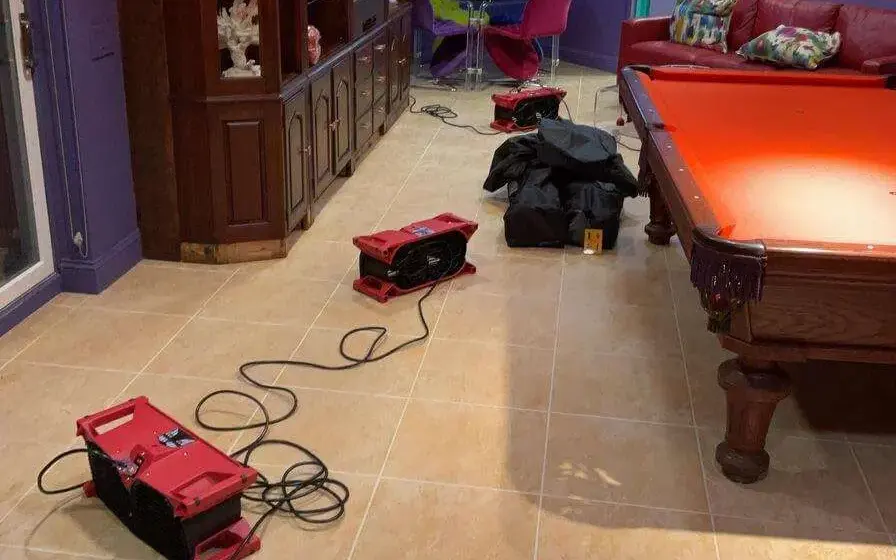
Water Extraction and Removal
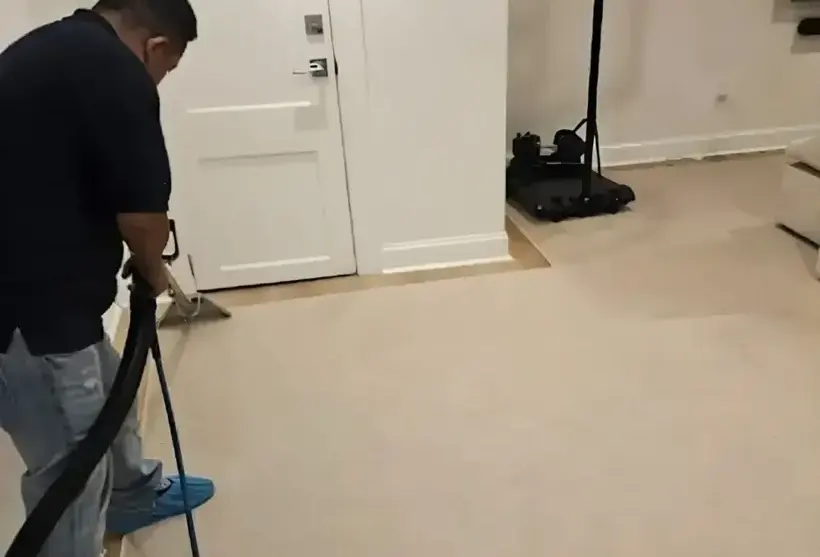
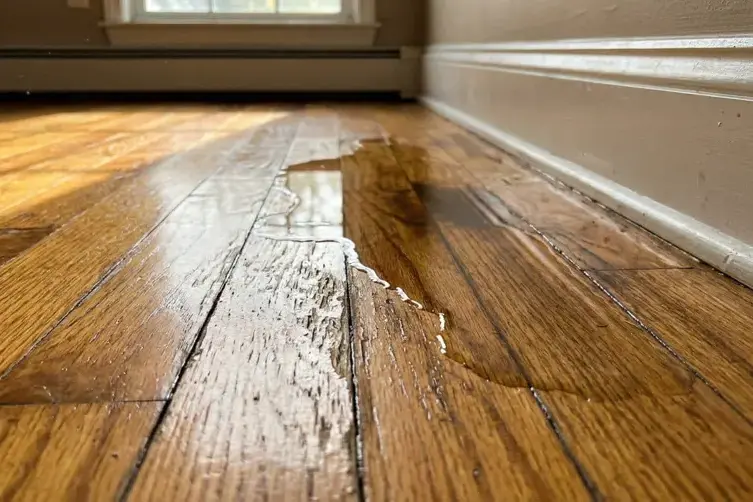
Standing water removed fast so it never reaches the hardwood and plaster common in Lynbrook houses.
Water Extraction and Removal details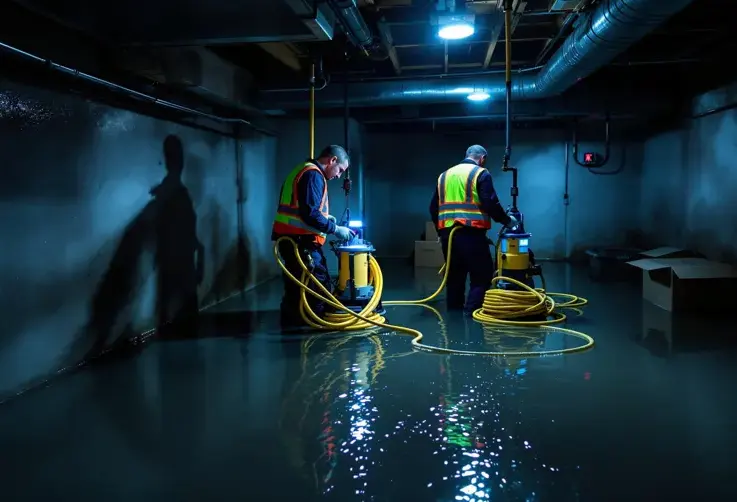
Basement Flooding Cleanup
Finished and converted basements pumped out, wet finishes pulled and the slab dried to a measured goal.
Basement Flooding Cleanup details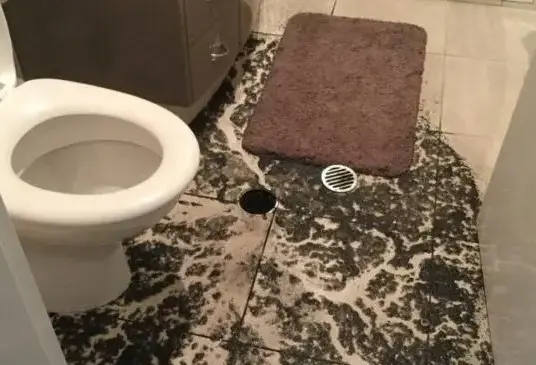
Sewage Backup Cleanup
Drain and toilet backups after heavy rain contained, cleaned and treated as Category 3 water.
Sewage Backup Cleanup details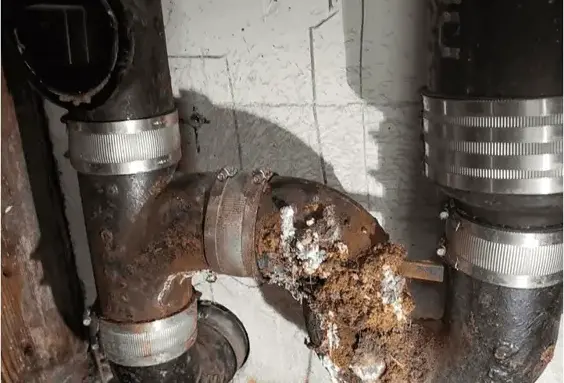
Cast Iron Drain Leak Cleanup
Leaking drain stacks inside walls found with thermal imaging and the soaked cavity dried out.
Cast Iron Drain Leak Cleanup details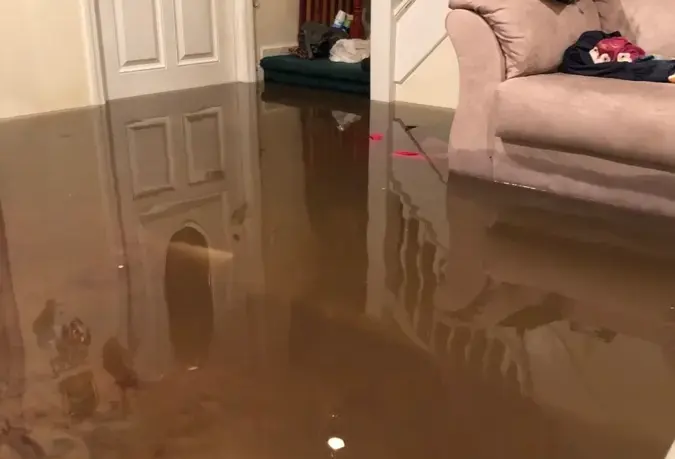
Storm and Nor'easter Flood Cleanup
Nor'easter and hurricane water removed, porous materials replaced and every room dried to readings.
Storm and Nor'easter Flood Cleanup details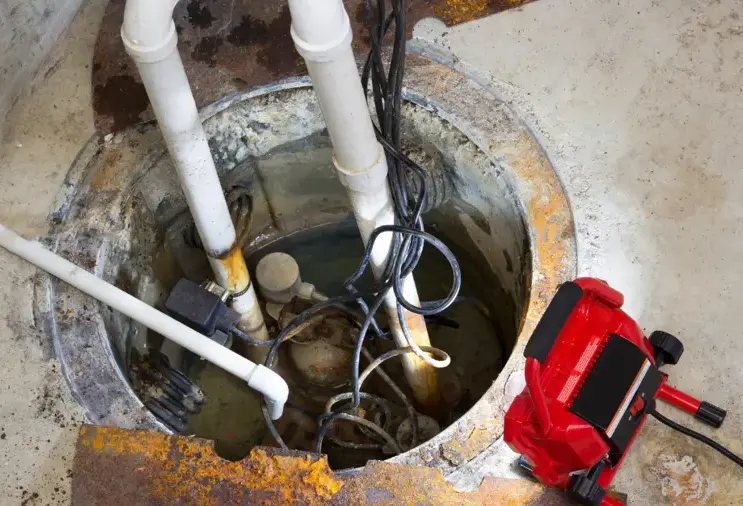
Sump Pump Failure Cleanup
Overflowing pits after a storm outage extracted before groundwater spreads under stored belongings.
Sump Pump Failure Cleanup details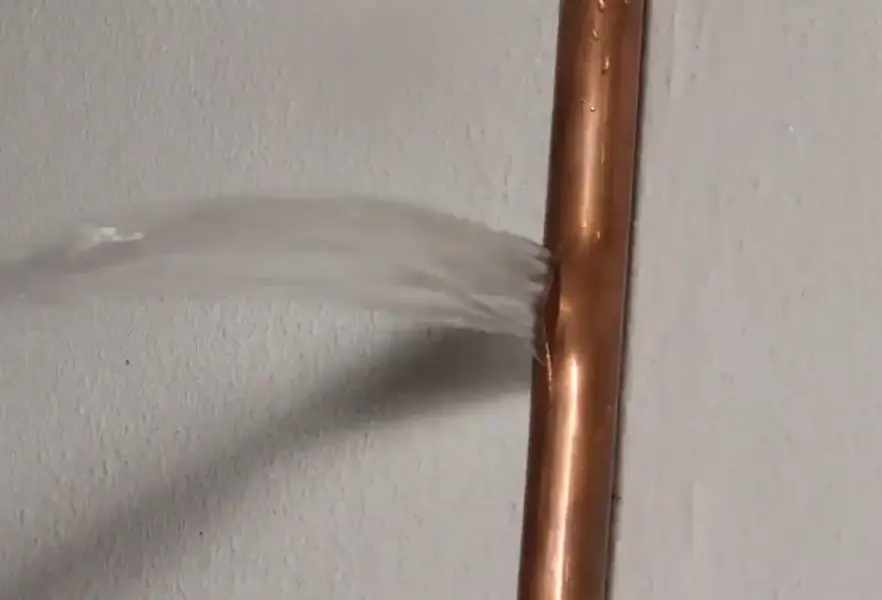
Burst Pipe Water Damage
Split supply pipes in older walls handled with targeted openings and steady daily readings.
Burst Pipe Water Damage details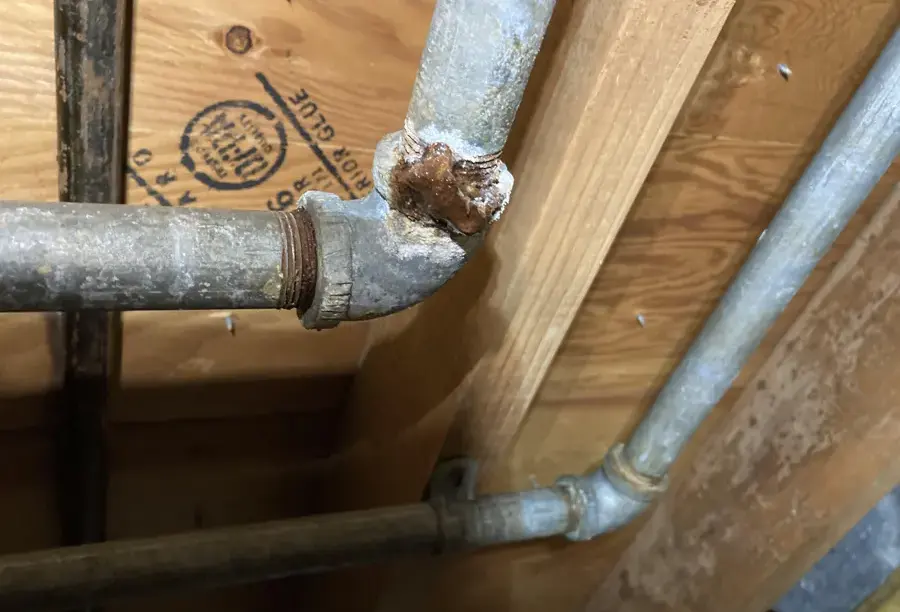
Frozen Pipe Cleanup
Cold-weather pipe breaks traced through exterior walls and dried before the next freeze arrives.
Frozen Pipe Cleanup details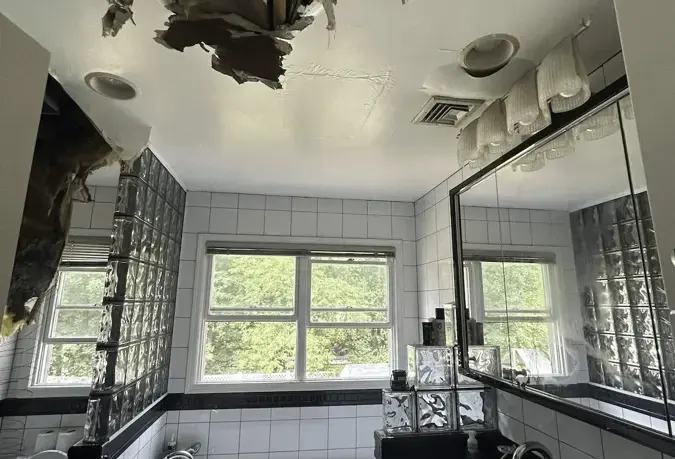
Ceiling Leak Water Damage
Leaks from an upstairs apartment or bath dried in the joist bay between the two units.
Ceiling Leak Water Damage details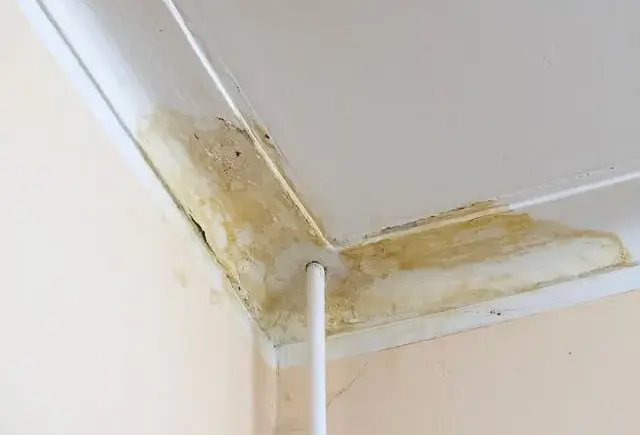
Roof Leak Water Damage
Wind-driven rain and storm-opened roofs tarped, attic insulation removed and ceilings dried.
Roof Leak Water Damage details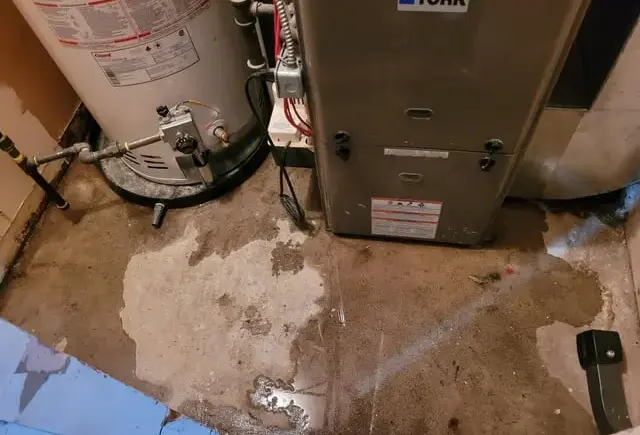
Water Heater Leak Cleanup
Failed basement tanks extracted and the floor, walls and boxes around them dried to the goal.
Water Heater Leak Cleanup details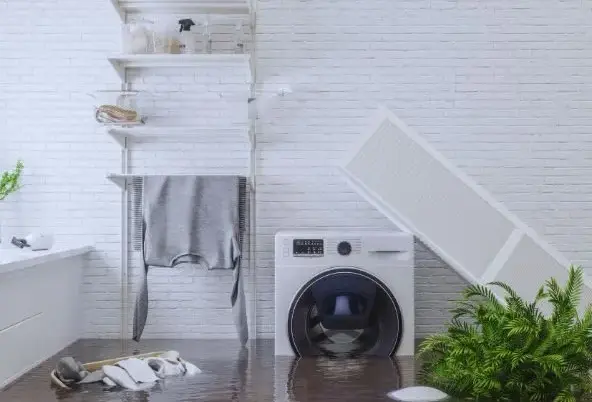
Appliance Leak Water Damage
Washer and dishwasher leaks dried before they reach the neighbors in the unit below.
Appliance Leak Water Damage details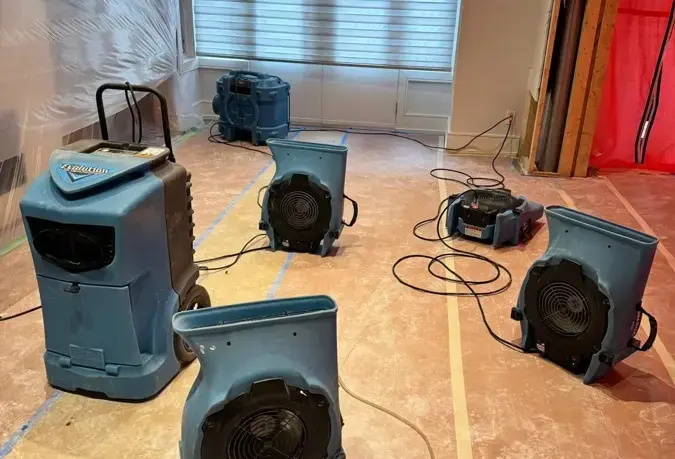
Structural Drying and Dehumidification
Plaster, framing and old hardwood dried slowly and measured each day against a dry reference.
Structural Drying and Dehumidification details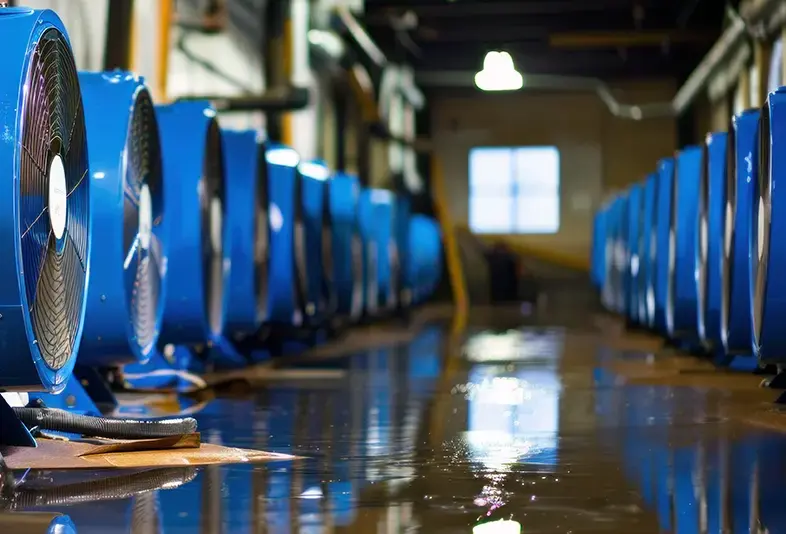
Commercial Water Damage
Shops on Atlantic Avenue, Broadway and Sunrise Highway dried zone by zone to keep doors open.
Commercial Water Damage details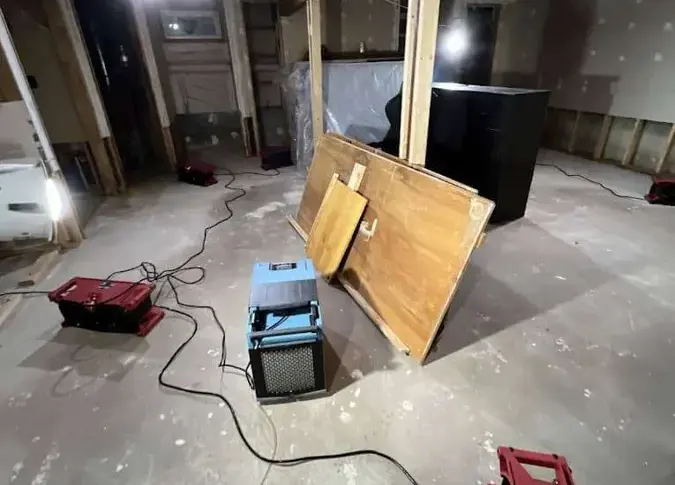
How the Lynbrook restoration crew works a water loss
Of Lynbrook's 7,507 housing units, 3,358 were built before 1940, and after World War II the village let owners add an upstairs apartment. Water in those houses crosses floors and units, so the restoration team tracks it with meters through every level first.
Rapid local response
The response team dispatches day and night, and active water anywhere in the village is handled as urgent.
IICRC S500 drying standard
Framing, subfloor and plaster are dried in depth, with equipment matched to each room's class of loss.
Claim-ready documentation
A moisture map, daily drying logs and dated photos shot before demolition make up the file.
South Shore water experts
Older basements, two-family plumbing, freeze breaks and storm water are the usual Lynbrook losses.
Lynbrook water damage dried to the IICRC S500 standard
Plaster walls and plank subfloors in a 1940s house hold water long after the surface feels dry. The drying team keeps equipment running until the numbers confirm dry.
- 1
Mapping before equipment
The tech on the walkthrough checks walls, ceilings and the basement slab with pinless meters and thermal imaging, then marks every wet area.
- 2
Extraction at the source
The extraction crew removes standing water from the lowest level first and presses carpet and pad until water stops coming up.
- 3
Sized drying equipment
Air movers and LGR dehumidifiers go in by class of loss, with desiccant units added for plaster and masonry.
- 4
Logged until the goal
Readings go in the log every day, and units leave only when materials land within 2 to 4 points of the dry reference.
What does water damage restoration cost in Lynbrook, NY?
In Lynbrook, NY, water damage restoration typically runs $1,200 to $28,000. A short supply leak sits near the bottom, while a soaked finished basement or a Category 3 backup sits near the top, depending on the category, the square footage, the materials and how quickly drying began.
Contained clean-water leak
- A room or two
- Dried in place
- Logged readings
Basement or a whole floor
- Flood cuts and pad removal
- LGR and desiccant units
- Claim documentation
Storm water or sewage
- Category 3 removal
- HEPA air scrubbers
- Longer drying
Treat these as typical figures, not a quote. The cost calculator and the drying time estimator give a closer read for your Lynbrook home.
All water damage categories covered in Lynbrook, NY
Category 1: clean water
Supply pipes, tanks and faucets. Dried quickly, most plaster and wood stays in place.
Burst pipe water damageCategory 2: gray water
Washers, dishwashers and leaking drain stacks. Wet pad goes and surfaces get antimicrobial.
Appliance leak water damageCategory 3: black water
Sewage and storm water. Anything porous it soaked is removed instead of dried.
Sewage backup cleanupDocumentation for your Lynbrook insurance claim
Adjusters decide a water claim from the paperwork. A complete Lynbrook file holds these pieces from the first visit to the last reading.
- A first-day moisture map marking each wet wall, ceiling and floor
- Daily psychrometric and material readings until the drying goal is reached
- Dated photos of the damage taken before anything is removed
- The water category and class, which decide what stays and what goes
- An itemized scope written the way adjusters read it
Check your own policy
A pipe that bursts suddenly is handled differently from storm water, groundwater seepage or a sewer backup. Backup coverage is usually a separate endorsement, and flood water generally needs its own flood policy.
Coverage depends on your policy, so it is worth checking with your own insurer. Ask the restoration contractor who responds which records come with the job.
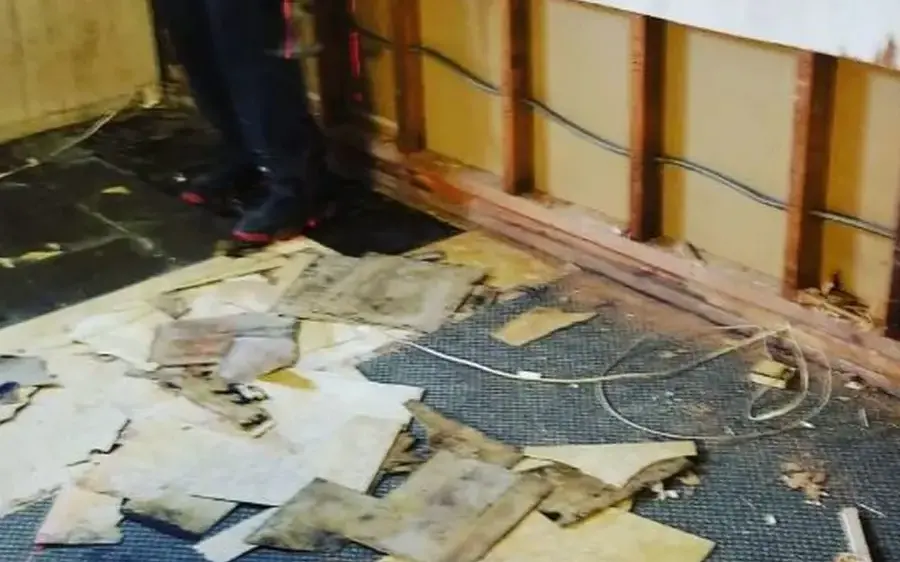
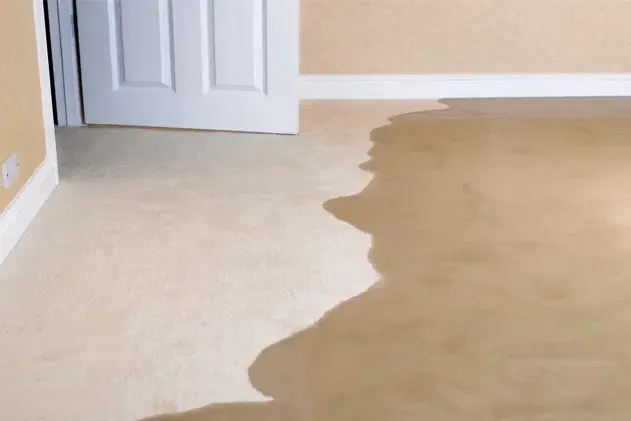
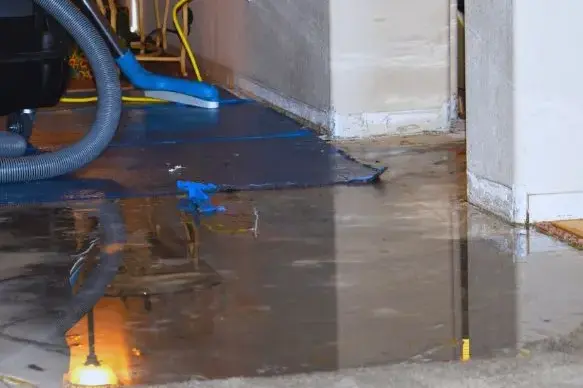
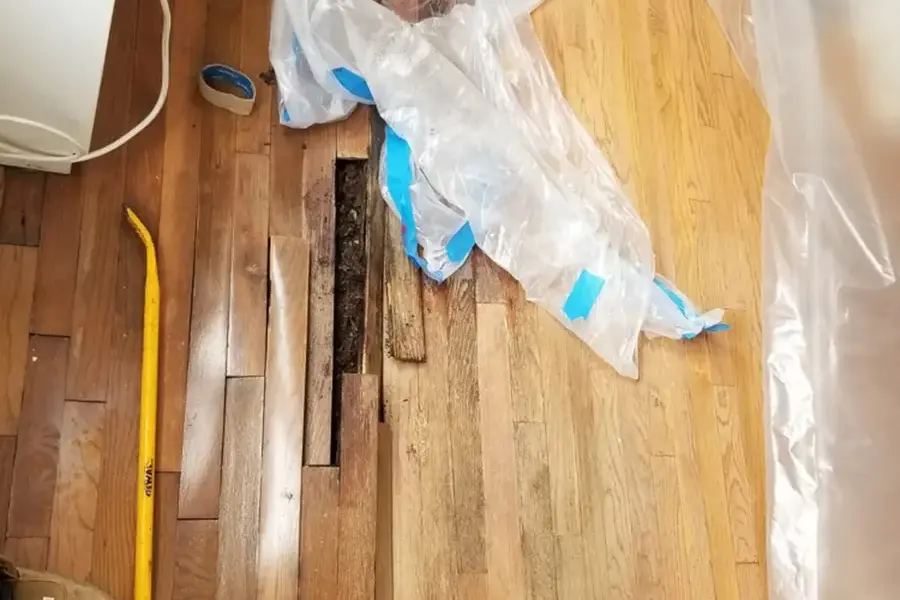
What a water damage dry-out looks like in Lynbrook
Lynbrook neighborhoods and corridors covered
Lynbrook neighborhoods and corridors
ZIP codes
Nearby villages
Water damage in Lynbrook, NY: what drives it
Lynbrook, incorporated as a village in 1911, sits on the South Shore at an elevation of about 20 feet, and its median home was built in 1945. Age and layout decide most water losses here.

October 29, 2012 Hurricane Sandy caused massive damage to homes and property in Lynbrook, East Rockaway and Bay Park, the Herald reported. The Lynbrook Volunteer Fire Department answered more than 110 storm calls through November 5.
- Older basements. With 3,358 homes built before 1940, many basements sit under old walls, plaster and finished rooms.
- Two units, one house. Postwar conversions put apartments upstairs, so a leak above soaks the ceiling of the home below.
- Freeze breaks. The cold that broke a Mill River Avenue water main in December 2025 can crack household pipes too.
- Storm water. First Street estimates 1,437 Lynbrook properties face flood risk over the next 30 years.
- Drain overloads. Heavy rain can strain the village storm sewer system and push water back through low drains.
- Storm outages. Nor'easters that drop inches of rain can cut power and stop sump pumps without battery backup.
Water damage questions in Lynbrook, NY
How quickly can a crew reach a Lynbrook home?
The response team dispatches around the clock, and active water is handled as urgent. Exact timing depends on the hour, traffic and how many homes a storm has hit, so close the main and lift belongings while you wait.
Why do older Lynbrook houses take longer to dry?
Many homes date to 1945 or earlier and have plaster on lath, plank subfloors and hardwood. Those materials hold water deeply and release it slowly, so desiccant units and extra days are common.
A leak upstairs came through my ceiling. Who handles it?
A plumber fixes the fixture above, and the drying team dries the joist bay and the ceiling of the unit below. In a two-family house both units are mapped. See ceiling leak water damage.
Is basement water after a heavy storm dangerous?
Storm water and anything that came up through a floor drain are treated as Category 3. Carpet, pad and the bottom of drywall it touched are removed. See basement flooding cleanup in Lynbrook.
Do I need a village permit for repairs after a leak?
Lynbrook requires village permits for plumbing work and for connecting or disconnecting sewers, and plumbers working in the village must be registered with it. Drying itself is not plumbing, but the pipe repair is.
How long does drying usually take?
A contained Class 1 or 2 loss caught quickly usually dries in three to five days. Plaster, hardwood and basement slabs often take longer. Equipment leaves when readings match the dry reference.
What does IICRC S500 mean for my house?
It is the industry standard for water damage restoration. It sets how water is categorized, how much drying equipment each room gets and how a crew proves the structure is dry.
Does homeowners insurance pay for a flooded basement?
A sudden pipe or tank failure is often covered. Storm water and groundwater usually are not under a standard policy, and sewer backup often needs an endorsement. Coverage depends on your policy, so check with your own insurer.
Should wet plaster come down?
Only when it is soaked through, sagging or separating from the lath, or when Category 3 water touched it. Plaster with damp spots can often be dried in place and checked with meters.
How is the price figured?
By the water category, the wet square footage, the class of loss and the days of equipment. The cost calculator shows a typical range for your situation.
Water damage in a Lynbrook home right now?
Water left in a basement or a ceiling keeps moving into plaster, framing and the unit below. The restoration team extracts it, dries to the IICRC S500 goal and logs every reading.
(888) 527-9860Get Lynbrook extraction moving