Water Extraction in Cedarhurst, NY
Village officials describe recurring flooding on the low blocks along Peninsula Boulevard, where high tide keeps rain from draining. When that water reaches a building, the extraction crew removes it before it soaks into floors and walls.
(888) 527-9860Pull the Cedarhurst water out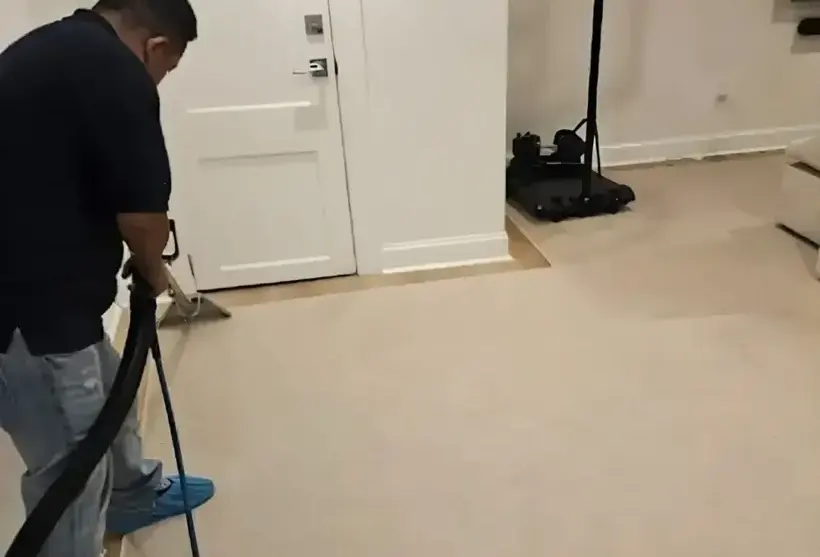 Cedarhurst, NY
How water extraction and removal is handled in Cedarhurst
The tech who does the walkthrough maps moisture before any equipment goes down, so the drying plan matches what is actually wet. Equipment stays until the readings say dry, not until it looks dry.
- 1
Map the wet zone
Every damp wall and floor gets marked on a sketch before any hose goes down.
- 2
Pump the deep water
Submersible pumps clear basement depth so extraction units can reach the floor.
- 3
Extract the rest
Truck-mounted and portable units pull water from carpet, pad and hard floors.
- 4
Hand off to drying
Air movers and dehumidifiers go in, and readings continue until the structure matches the dry reference.
Water left on a floor keeps climbing into baseboard, drywall and subfloor, which is why extraction comes before drying. In Cedarhurst, that water often starts in the street, because rain collects at high tide when Jamaica Bay blocks the storm outfalls.
What does water extraction and removal cost in Cedarhurst, NY?
In Cedarhurst, NY, water extraction typically runs $500 to $6,500. Cost depends on the water category, how many rooms are wet, how deep the water sits and whether porous materials must come out.
Single wet room
- One pass with the extractor
- Carpet pressed dry
- Before and after readings
Basement or several rooms
- Submersible pump-out
- Pad removed
- Moisture map drawn
Street or sewage water
- Category 3 handling
- Porous materials removed
- Antimicrobial on surfaces
Ranges are typical, not a quote: category of water, square footage, material class and how fast drying started move the number most. Run the water damage cost calculator for a closer range.
Where Cedarhurst water settles
Low basements near Peninsula Boulevard take the first hit once the tide comes up, but any older building with a finished lower level can hold gallons in carpet and pad. Two-unit and apartment buildings add another route, since a leak upstairs drains straight down into the unit below, and shop floors along Central Avenue can fill the same way.
- Finished basements where rugs, pad and paneling soak up water.
- Ground-floor units and shops near the low blocks after a tidal flood; see storm flood cleanup.
- Kitchens and baths above other units, where water runs through the subfloor.
How the extraction crew works
Meters and a thermal camera go first so no wet section is skipped. Truck-mounted units clear open floors, portable units reach tight rooms, and submersible pumps take the deeper water in basements.
- Water leaves the building instead of moving into the next room.
- Carpet and pad touched by street water or sewage are removed, not saved, because they cannot be made safe again.
- Meter readings are logged before and after for the claim file.
After the water is out
Extraction stops the pooling, not the damage. LGR dehumidifiers and air movers then pull moisture from framing and subfloor, which is covered under structural drying. The drying time estimator gives a rough schedule.
Water extraction and removal across Cedarhurst and nearby villages
The Cedarhurst extraction crew covers ZIP 11516, from Central Avenue to the Peninsula Boulevard flood area between Rockaway Turnpike and Bayview Avenue, plus homes and shops around Cedarhurst Avenue.
The same service nearby: water extraction and removal in Valley Stream, East Rockaway, Lynbrook.
Water Extraction and Removal questions in Cedarhurst, NY
Why does street water reach Cedarhurst basements?
The village reports that storm outfalls get blocked when the tide rises in Jamaica Bay, so rain collects in the streets and can seep into low lower levels.
Is a rented wet vac enough?
For a small spill, yes. For water soaked into carpet, pad or a basement slab it pulls out too little, and what stays behind slows drying and widens tear-out.
How fast must the water come out?
The first day matters most, since water climbs into drywall and subfloor the longer it sits. Call as soon as water is found instead of waiting to see if it drains.
Is tide or storm water treated differently?
Yes. Water from the street counts as Category 3, so soaked carpet and pad are removed and surfaces are treated, not simply extracted and dried.
Does insurance pay for extraction?
A sudden pipe or tank failure is often covered. Tide water and seepage usually are not under a standard policy. Whether it is covered depends on the policy itself; confirm with your insurer.
What happens after extraction?
Drying equipment goes in and daily readings track progress. The cost calculator shows how drying time feeds into the total.
Water pooled inside a Cedarhurst building? Get it pumped out.
The crew pumps and extracts, maps the moisture and sets drying equipment before leaving.
(888) 527-9860Cedarhurst extraction, any hour